Over seven days, this journey reveals Lebanon’s many layers—where coastlines, temples, mountains, and cities tell a story thousands of years in the making.
Coastal Beginnings: Byblos & Batroun
The journey begins along Lebanon’s sun-washed Mediterranean coast, where history first meets the sea. In Byblos and Batroun, civilizations unfold from the Neolithic period to the Ottoman era.
A visit to the iconic Château Musar offers a refined introduction to Lebanon’s legendary wine culture, before stepping into Byblos’ UNESCO-listed archaeological site, ancient port, and vibrant old souks. The day gently transitions north to Batroun, where lively streets, historic landmarks, and a relaxed seaside lunch set the tone for the journey ahead.
South Lebanon: Sidon & Tyre
From the northern coast, the route follows the shoreline south toward two of the ancient Mediterranean’s most influential cities—Tyre and Sidon. In Tyre, monumental Roman ruins and the ancient harbor tell stories of trade, power, and empire, complemented by a leisurely lunch by the sea.
The experience continues inland to the sacred site of Maghdouche, before concluding in Sidon’s old city. Here, Crusader castles, historic khans, elegant palaces, traditional souks, and Phoenician temples reveal the city’s layered past in an intimate walking exploration.
Northern Coast: Anfeh & Tripoli
The exploration continues north along the coast to Anfeh, where the remains of a Crusader castle rise above the sea, setting the stage for a deeper dive into medieval Lebanon.
Nearby Tripoli unfolds as a city of contrasts—its imposing citadel overlooking historic souks, centuries-old mosques and churches, and the striking modernist architecture of the Tripoli International Fair. Lunch at the legendary Hallab 1881 completes the experience with flavors rooted in tradition.
Sacred Valleys & Cedar Forests
From the coastal cities, the road climbs into northern Mount Lebanon, where spirituality and nature shape the landscape. The day begins at the Monastery of Saint Anthony of Qozhaya, followed by an easy walk among the ancient trees of the Cedars of God, a UNESCO World Heritage site.
Wine and culture meet at Mirsel Winery with a guided visit and lunch, before continuing to the Gibran Khalil Gibran Museum. The day gently concludes in Bkaakafra, the birthplace of Saint Charbel, where his legacy of humility and devotion still resonates.
The Bekaa Valley: Anjar & Baalbek
Crossing eastward into the fertile Bekaa Valley, the journey enters a region shaped by empire and faith. In Anjar, the remarkably preserved Umayyad city reveals early Islamic urban planning.
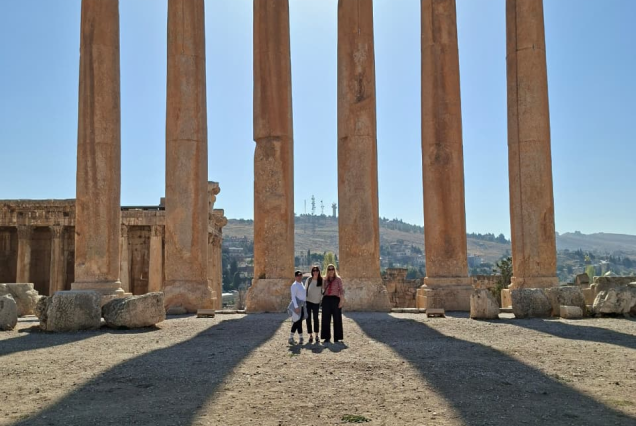
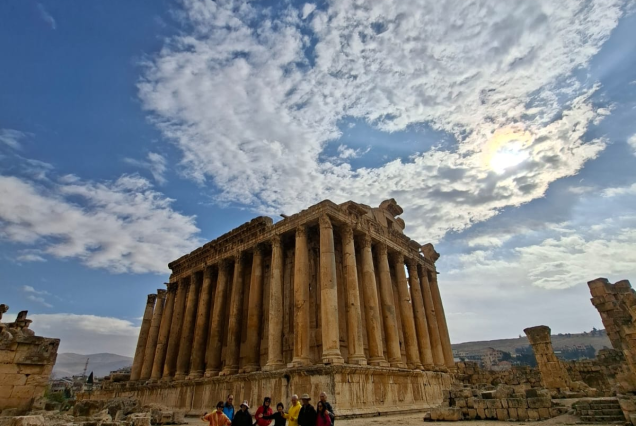
Nearby Baalbek inspires awe with its colossal Roman temples and ancient quarry—among the most extraordinary monuments of the ancient world. The day is rounded off with wine discovery and lunch at Domaine des Tourelles, blending Bekaa flavors with estate traditions.
Mount Lebanon Heritage: Deir El Qamar & Beiteddine
Returning to Mount Lebanon, the focus shifts to the Ottoman era. A walk through Deir El Qamar’s historic streets and main square offers insight into Lebanon’s political and cultural heritage.
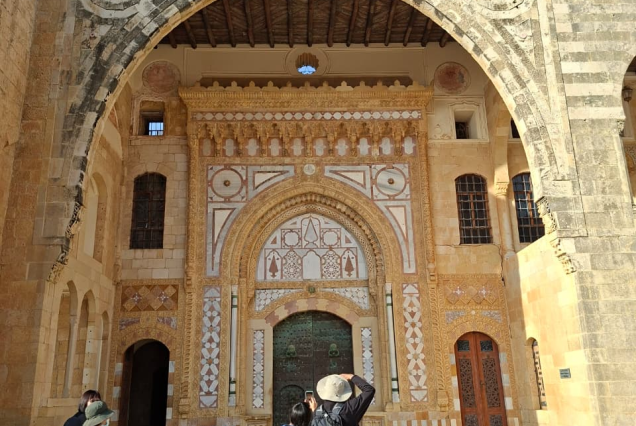
Lunch in a heritage setting is followed by a visit to the grand Beiteddine Palace, former residence of Emir Bechir El-Chehab II. The afternoon slows down in the Maasser El Chouf Cedar Reserve, surrounded by ancient forests and mountain silence.
Beirut: Ancient Roots, Modern Soul
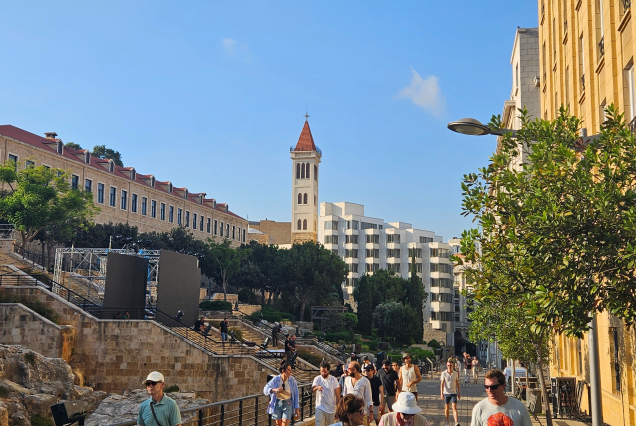
The journey then turns to Beirut, a city shaped by resilience and creativity. A guided walking tour through downtown reveals archaeological remains woven into modern urban life.
Visits to the National Museum and the MIM Mineral Museum deepen the historical perspective, while lunch at Em Sherif Zeitouna Bay offers a refined pause by the sea. The day continues to the iconic Raouche Pigeon Rocks and a local artisan workshop celebrating Beirut’s living traditions.