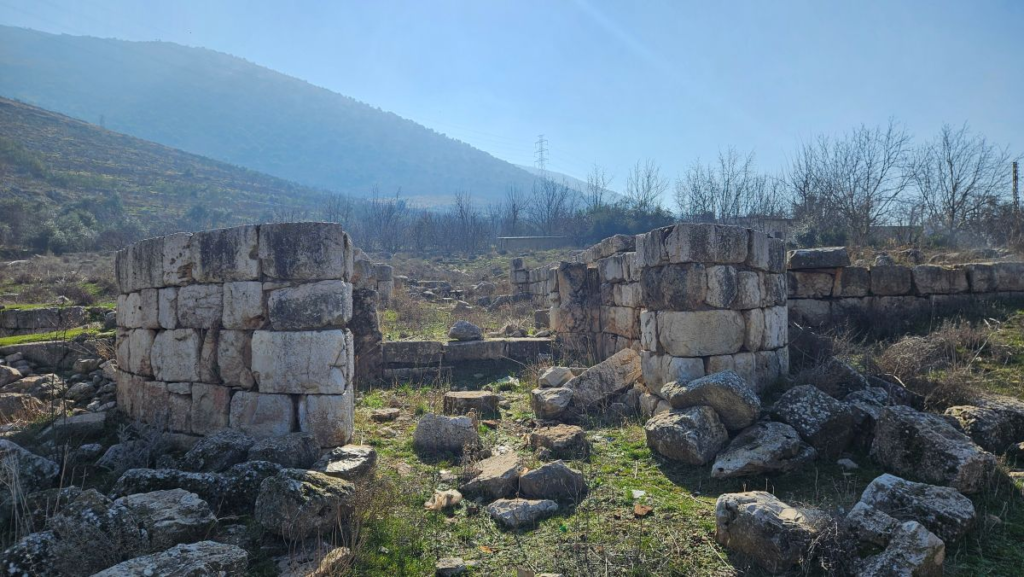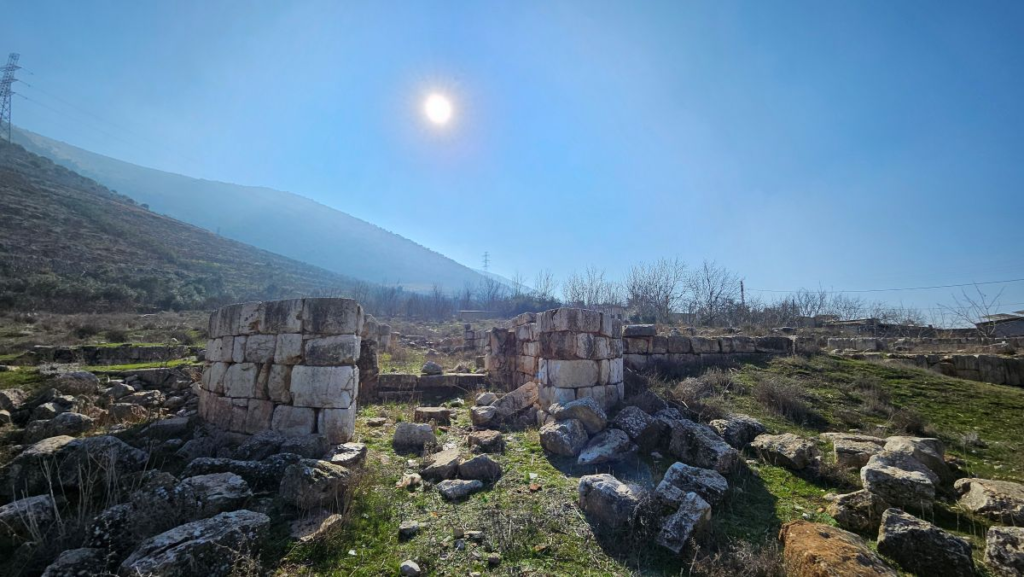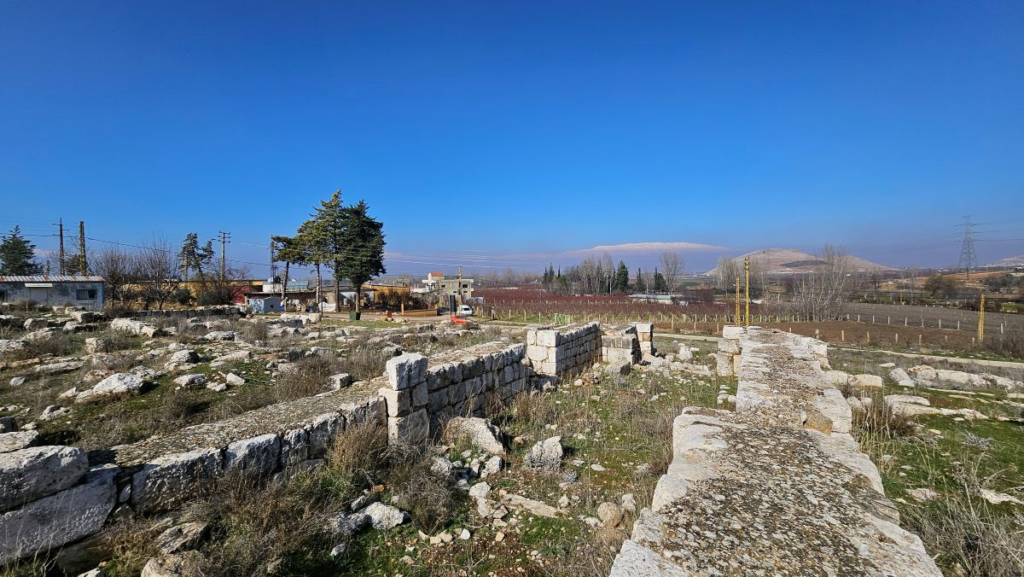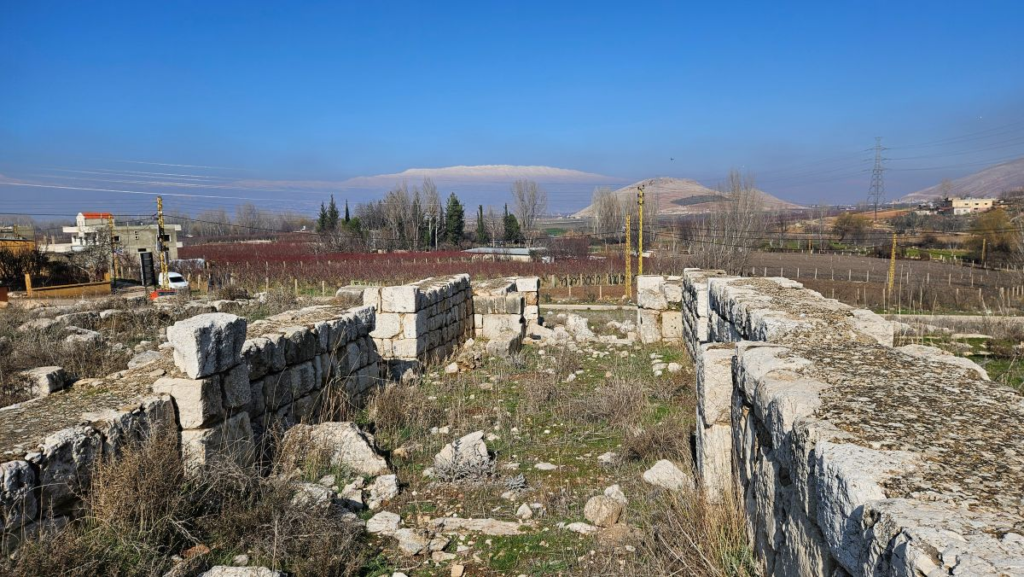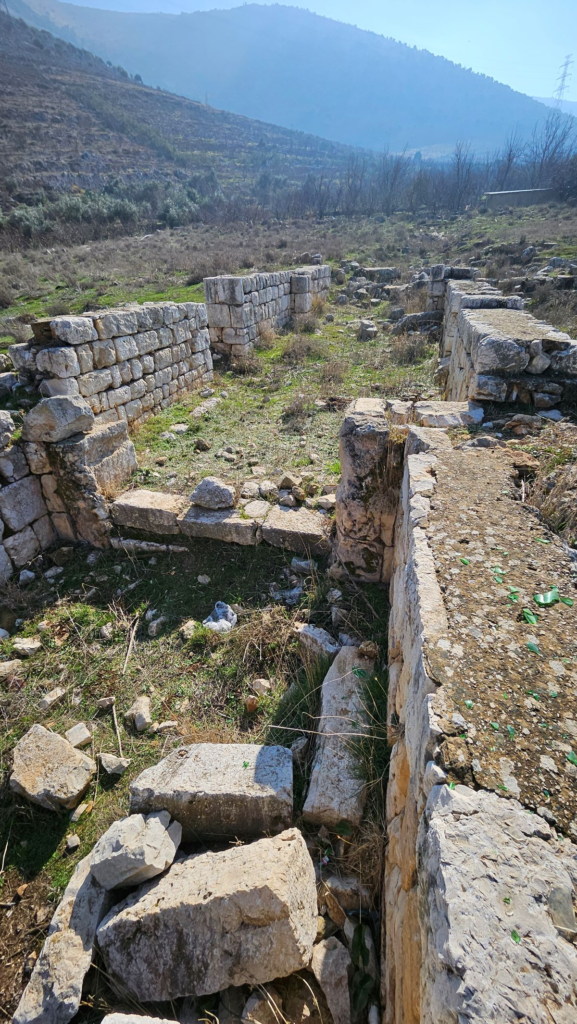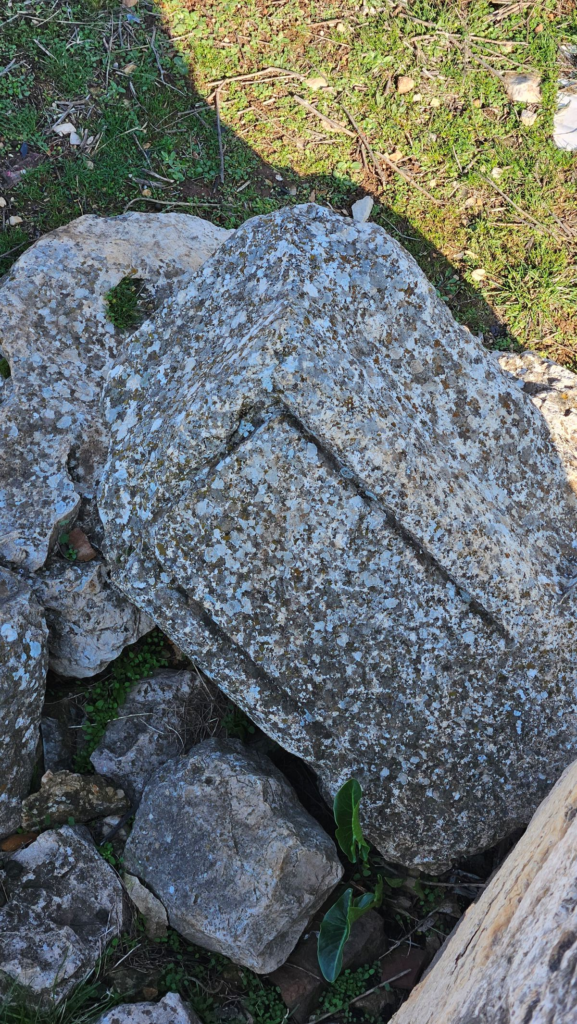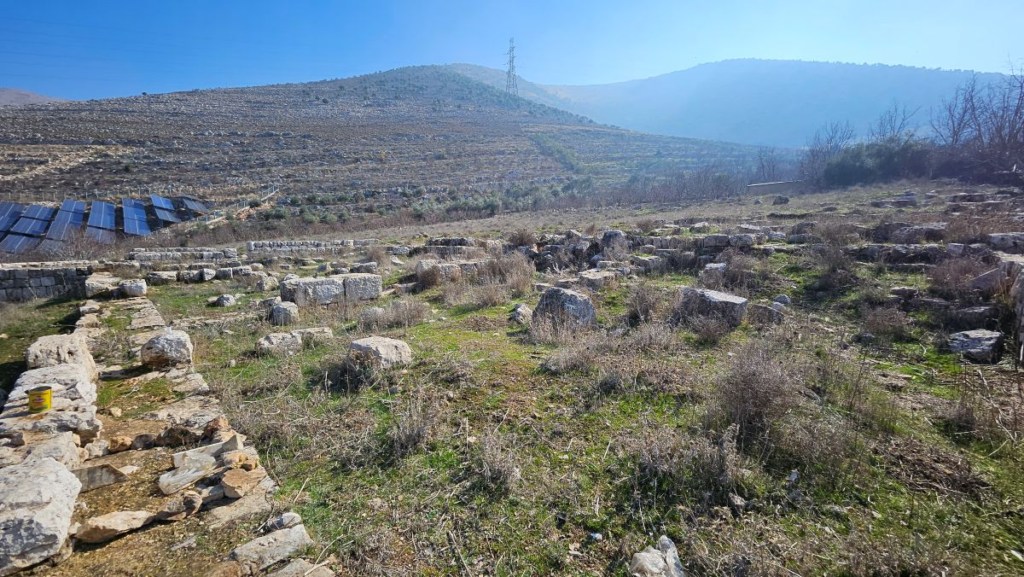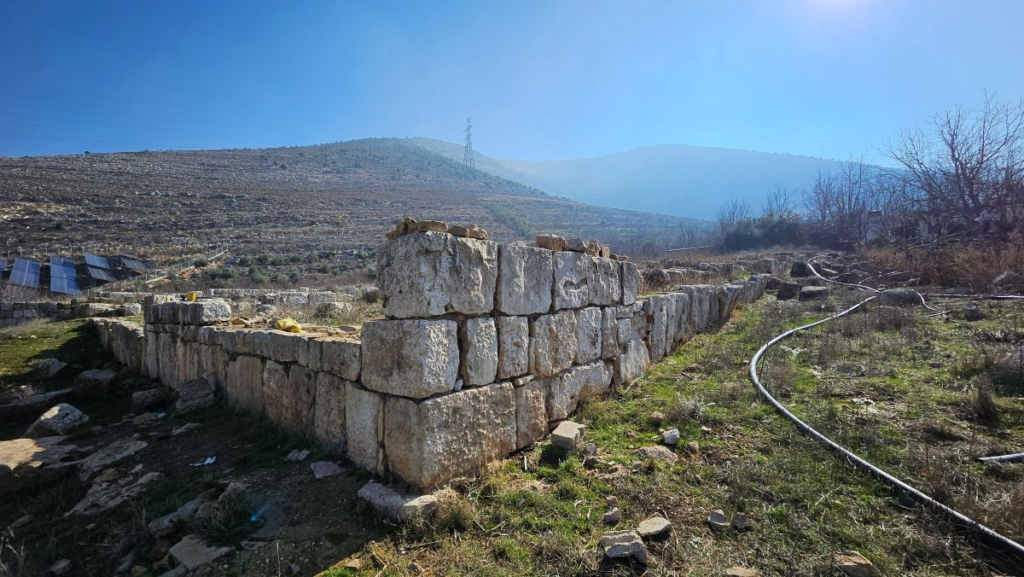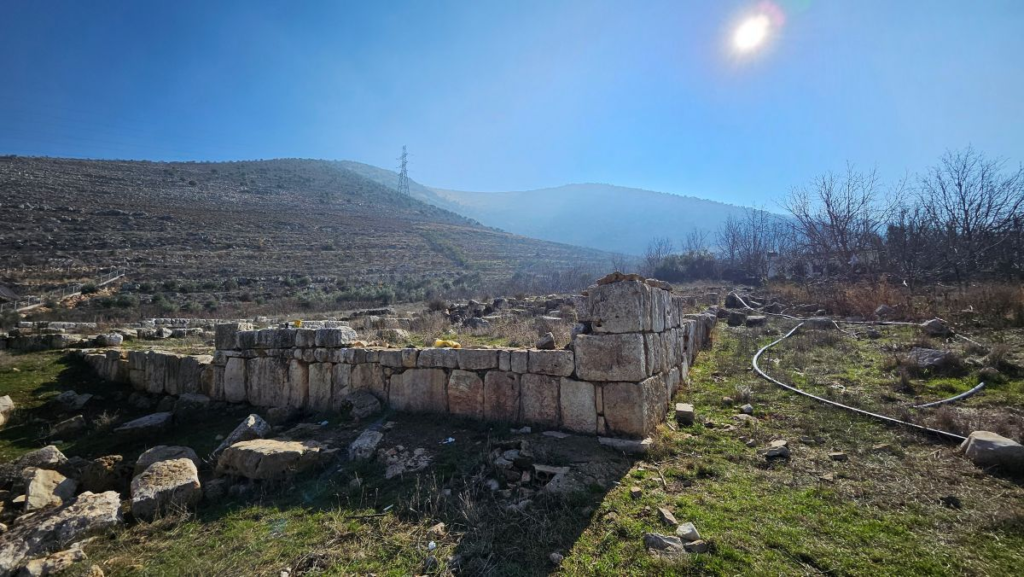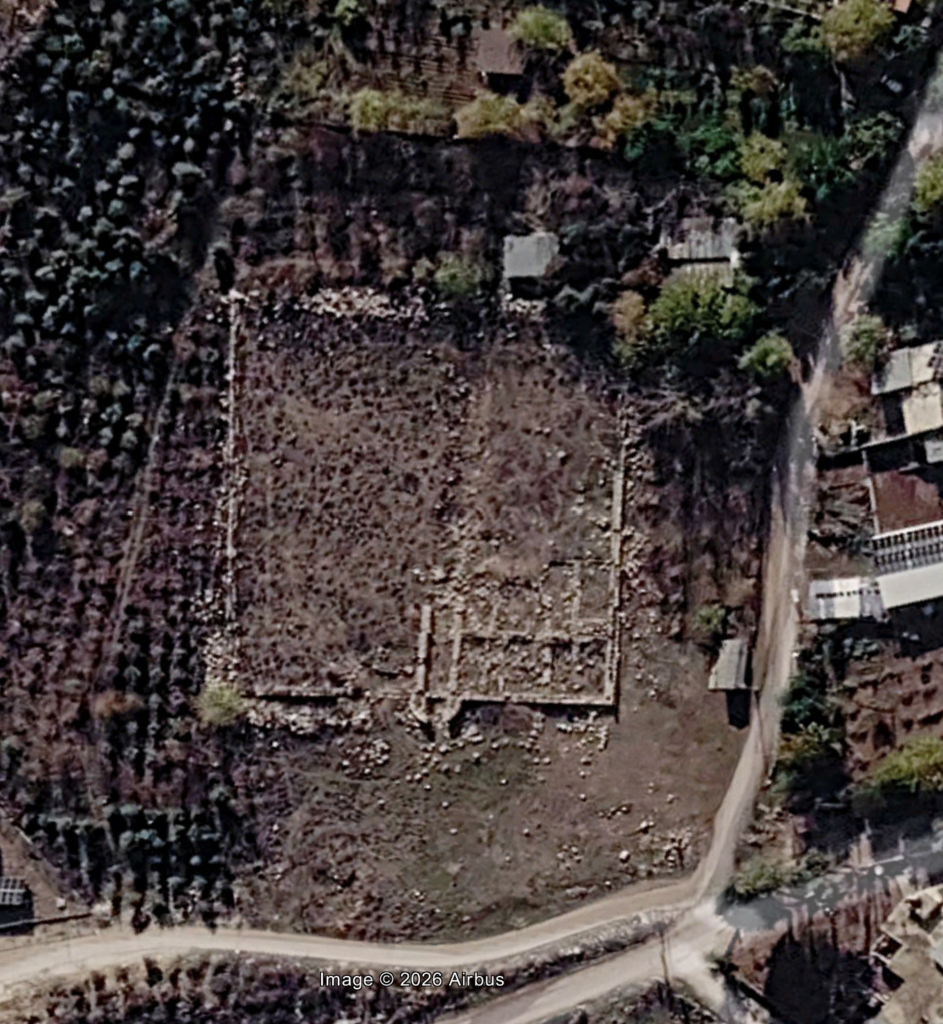
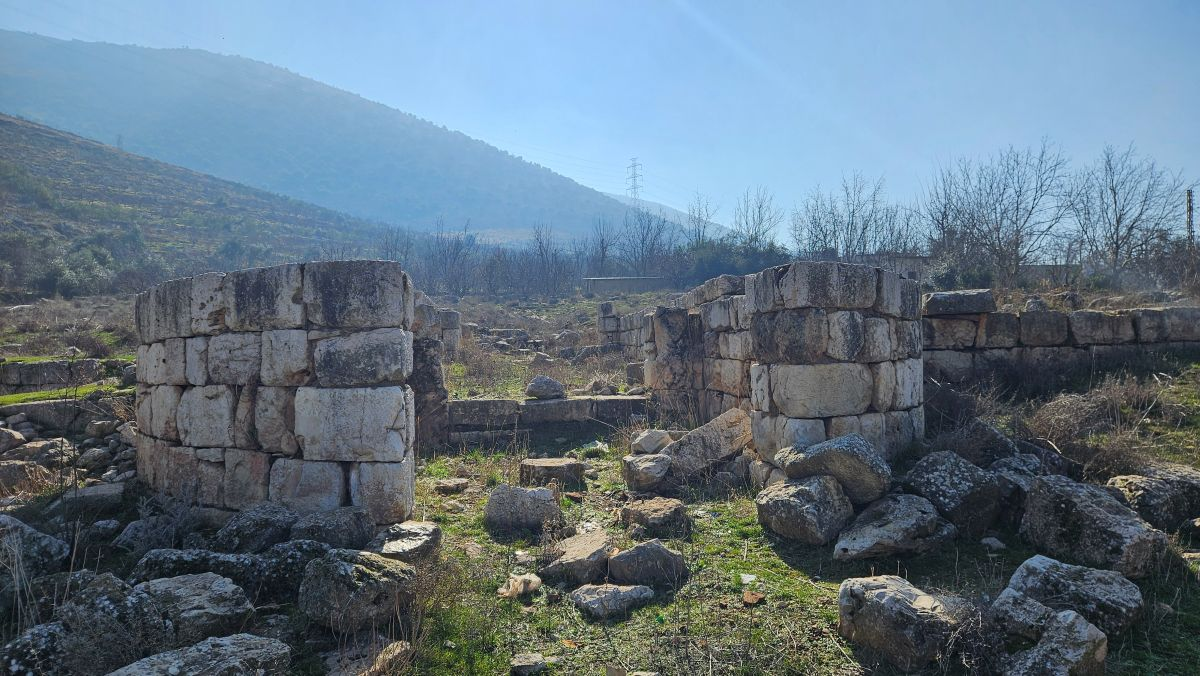
Haouch Moussa, near Anjar, is home to what may be the only surviving example of a Roman-era barrack still standing in Lebanon. While no archaeological excavation or academic study known to us has formally identified the structure, its layout and architectural features strongly suggest a military function.
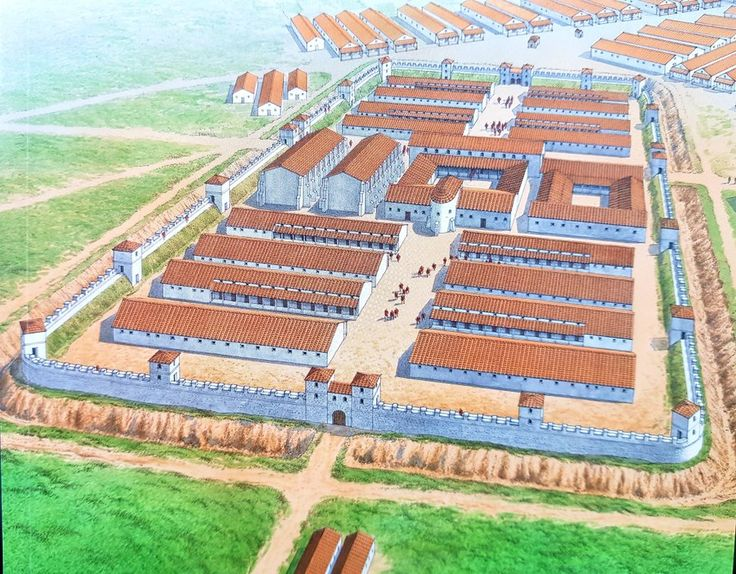
Roman barracks were typically long rectangular buildings constructed of stone or mudbrick, divided into a series of small rooms used as living quarters and storage spaces for soldiers. These buildings were often integrated into larger military complexes protected by defensive walls, towers, and controlled gateways. Roman forts were carefully planned settlements, characterized by their orderly internal organization, which facilitated troop movement, communication, and rapid deployment when required.
The structure at Haouch Moussa appears to share several of these characteristics. Access to the complex is provided through a main entrance flanked by what seem to be two towers, evidenced by the surviving semi-circular foundations and substantial walls that remain visible today. Beyond the entrance lies a central passage or street bordered on both sides by a series of small, parallel rooms. These spaces may have served as soldiers’ quarters, storage areas, or administrative rooms. Toward the far end of the complex, these smaller cells disappear and give way to large stone foundations, possibly indicating the presence of a more significant building, such as a command structure, headquarters, or communal facility.
Taken together, these elements evoke the layout of a small Roman military installation rather than a conventional rural residence. However, it is important to emphasize that this interpretation remains speculative. Despite extensive research, we have been unable to locate records of archaeological excavations, surveys, or published studies specifically addressing this site. The observations presented in this article therefore reflect our own analysis of the visible remains and should not be considered a definitive identification.
If any readers possess additional information, historical references, archaeological reports, or personal knowledge regarding this intriguing complex, we would be grateful if you could share it with us. Further research may help shed light on the true nature and history of what could be one of Lebanon’s most overlooked Roman-era structures.
Karim Sokhn
Tour Operator and Tour Guide