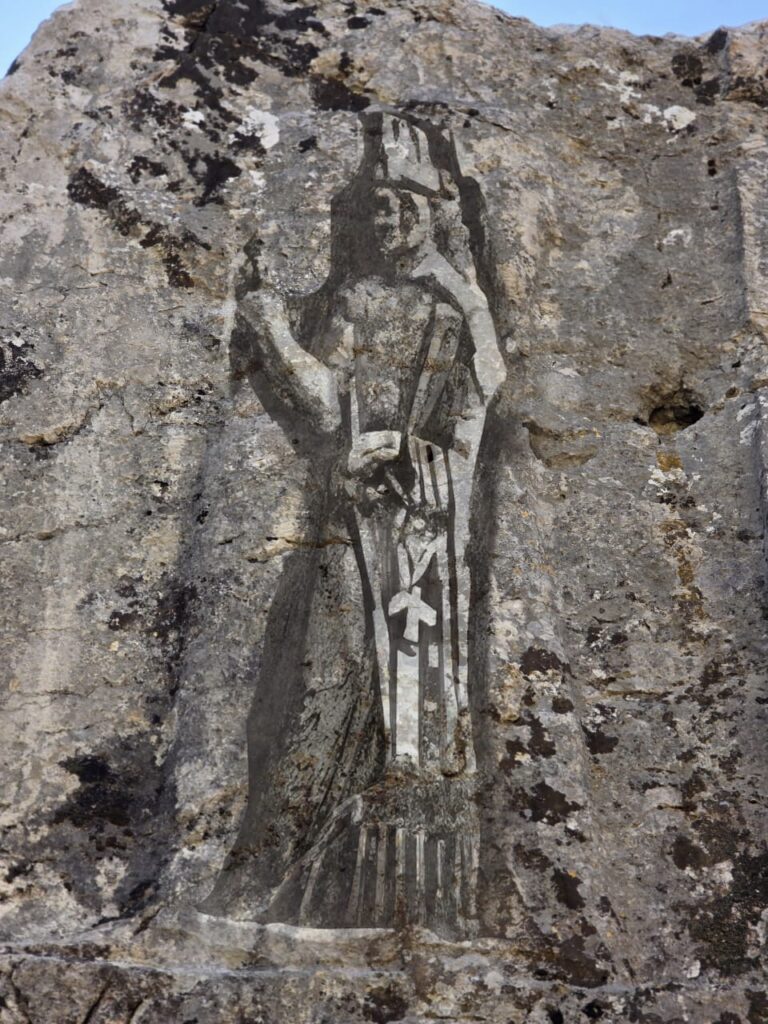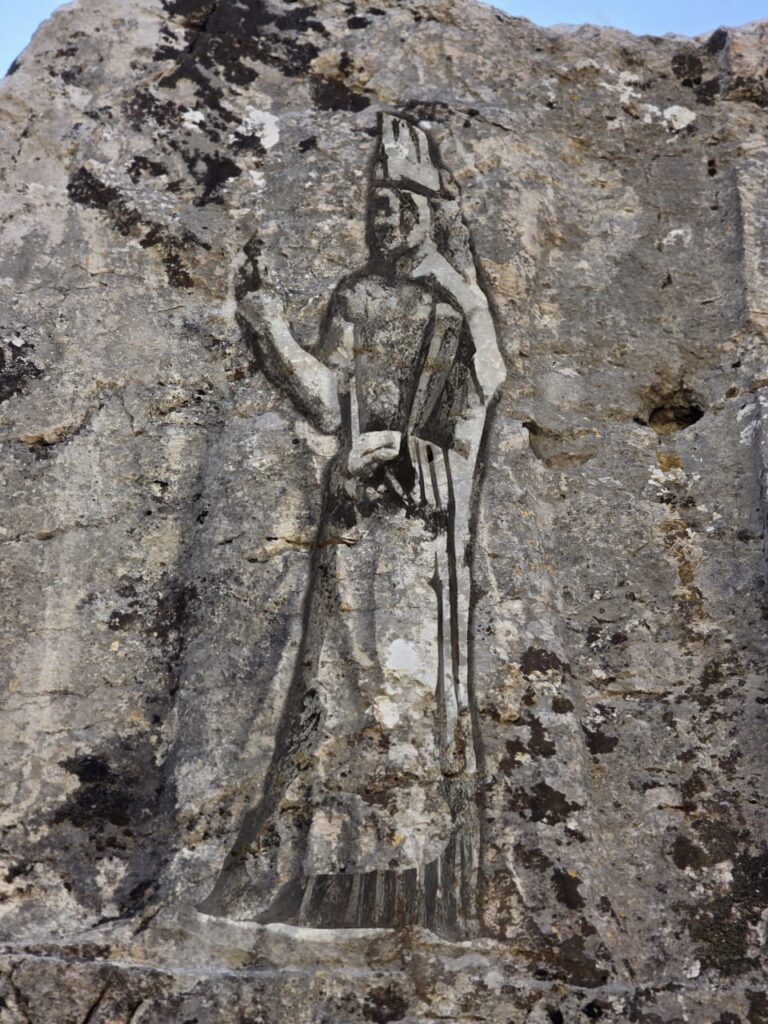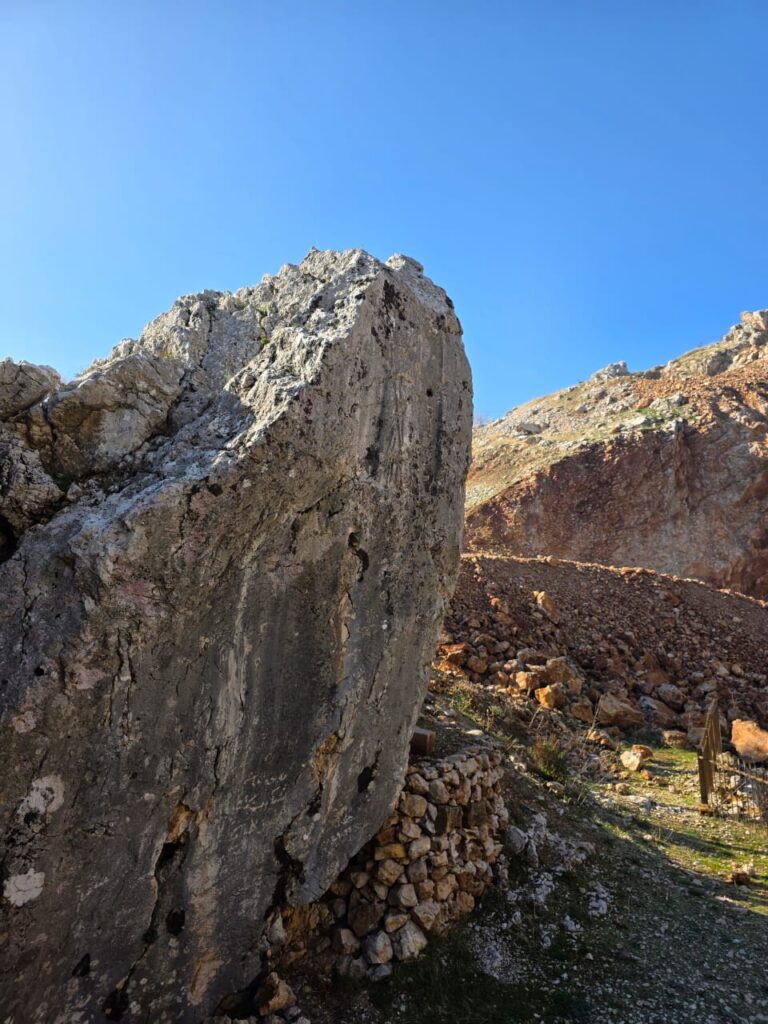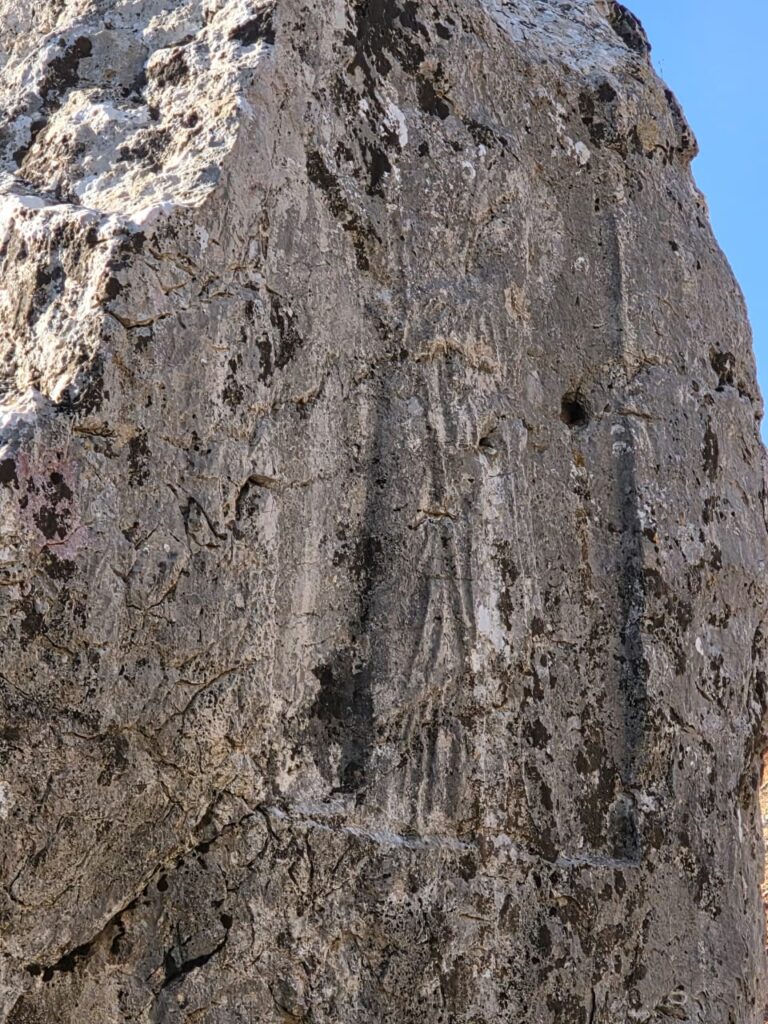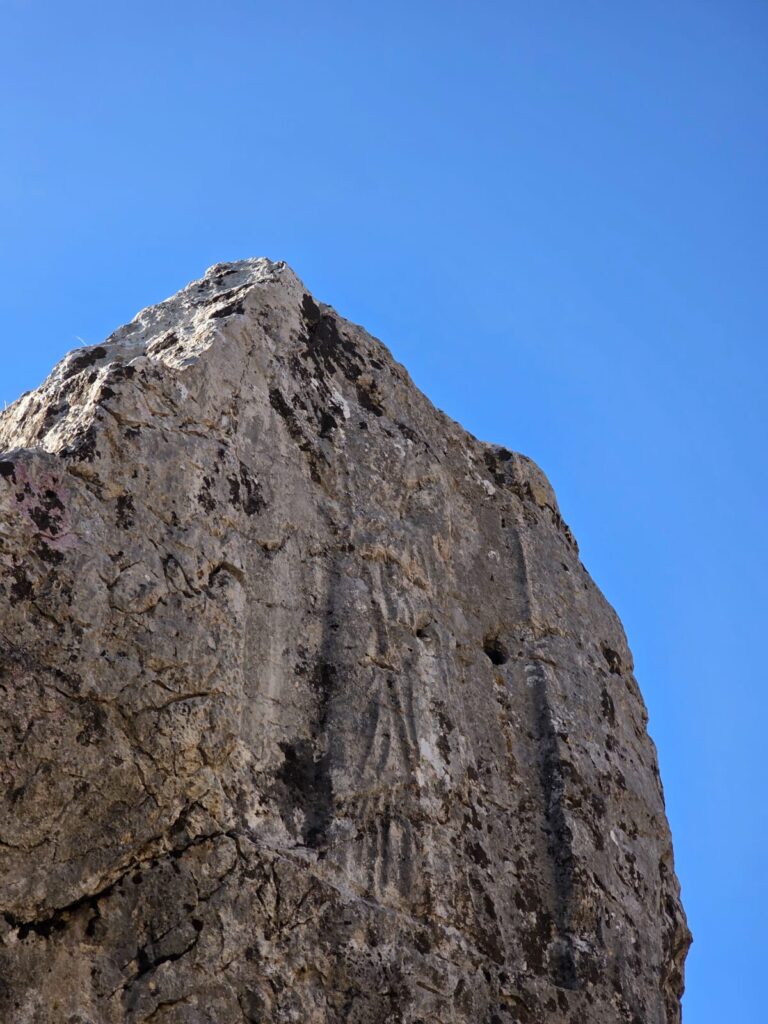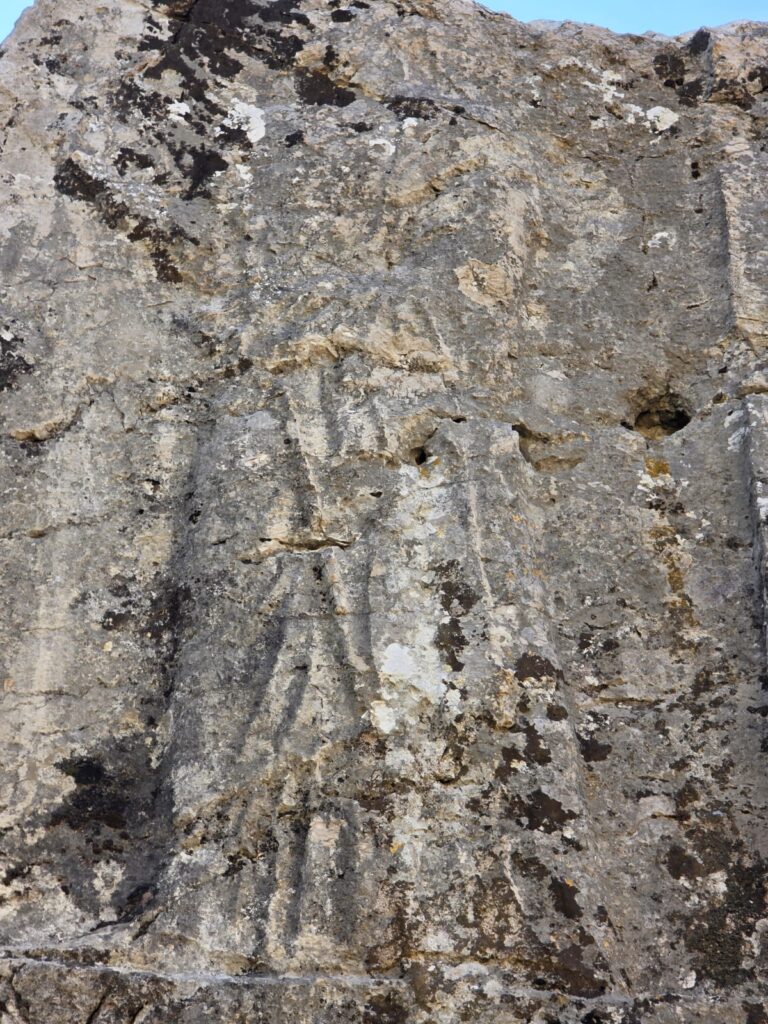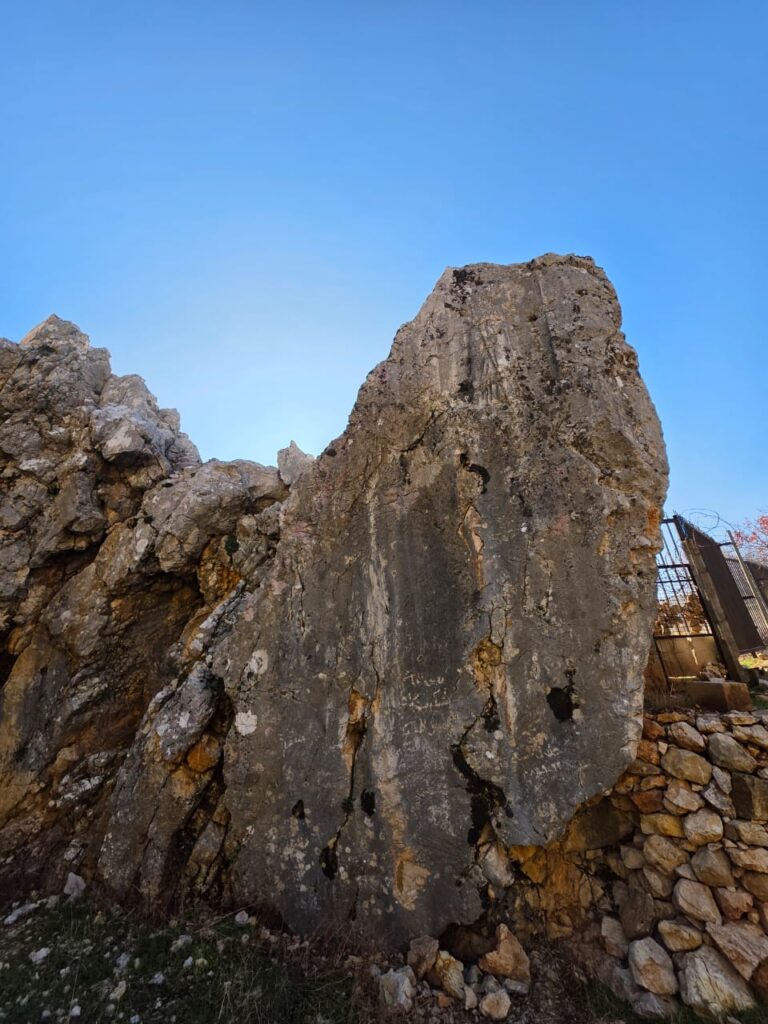
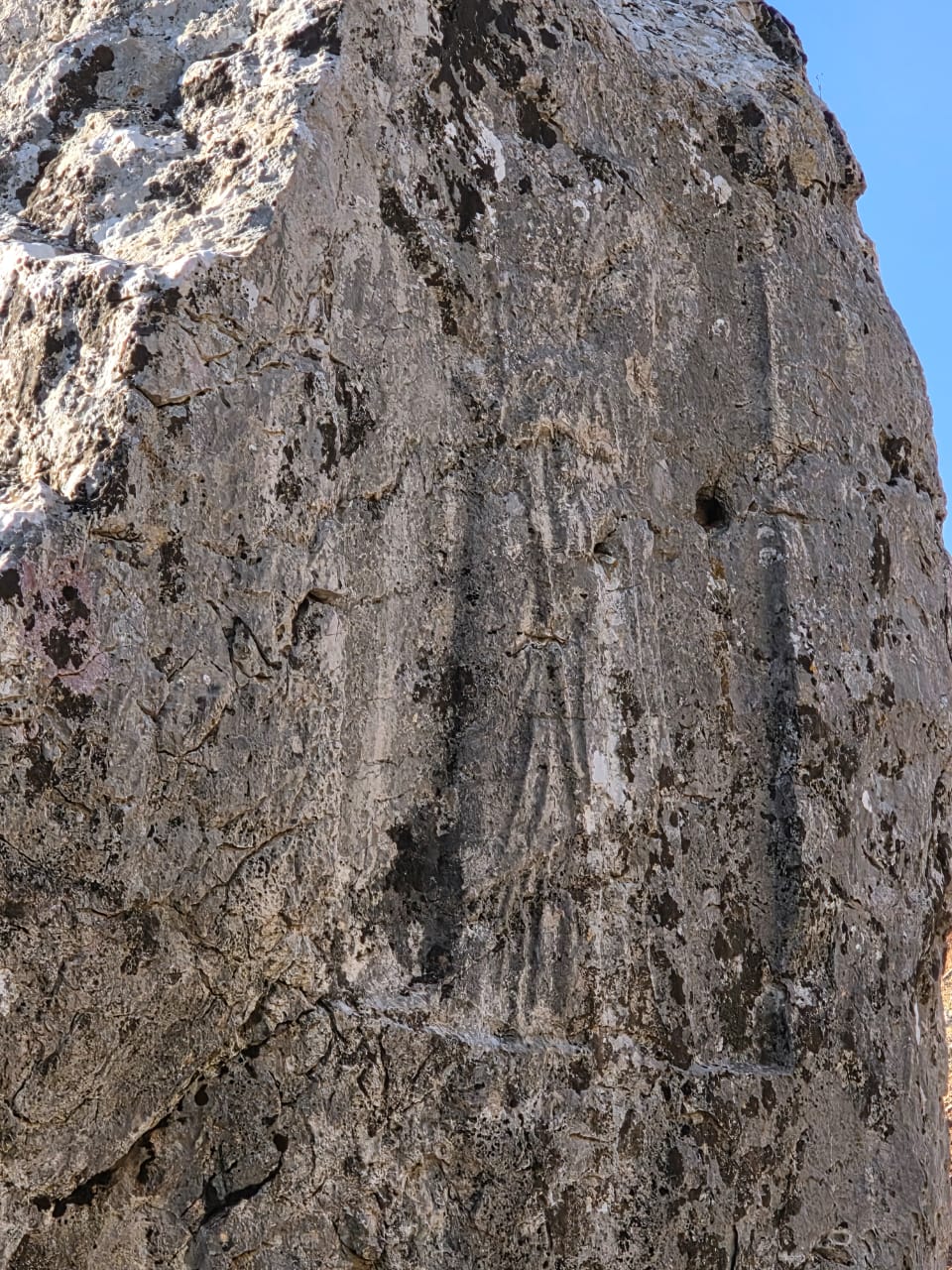
Qob Elias village feature a unique Assyrian OR Neo-Babylonian relief carved on a rocky slope near Machaalany vineyards.
No studies have been conducted on this particular relief to conclusively determine the period to which it belongs. The following description is therefore based on comparative observation with other rock reliefs found in Lebanon, notably those at Nahr el Kalb and Brissa.
History
Lebanon came under Assyrian Empire rule mainly from the 9th to the late 7th century BCE (about 900–612 BCE). The Assyrians controlled the Phoenician cities to secure tribute, trade routes, and valuable resources such as cedar wood for their palaces and ships.
After the fall of Assyria, the region passed to the Neo-Babylonian Empire in the late 7th to mid-6th century BCE (about 612–539 BCE). The Babylonians kept control mainly to maintain regional stability, collect taxes, and control the eastern Mediterranean coast, which was vital for commerce and access to the sea.
Relief
Comparing to Nahr el Kalb and Brissa steles, the relief depicts a king carved directly into the rock, rendered in the typical Assyrian royal style.
The king’s clothing appears simpler and more rigid, adapted to the constraints of carving on a natural cliff face. The headdress is modest, closer to a wrapped or cap-like form rather than a full horned crown, while the long tunic falls in straight vertical lines, emphasizing authority rather than movement.
As in other Assyrian rock reliefs, the staff highlight the king’s legitimacy and the protection of the gods over his rule and military presence in the region. Additionaly, divine symbols may have been carved as a symbol of longetivity.
Further studies may reveal the true nature and identity of the relief.
Karim Sokhn
Tour Operator & Tour Guide